
Storm Damage Roof Repair Duncanville TX Done Right
Wind and storm damage, documented and repaired properly
DFW spring storms bring hail, straight-line wind and heavy rain, and a Duncanville roof takes all three. Cabrera & Sons Roofing documents what the storm did with dated photos, then repairs it. Call (469) 898-7253.
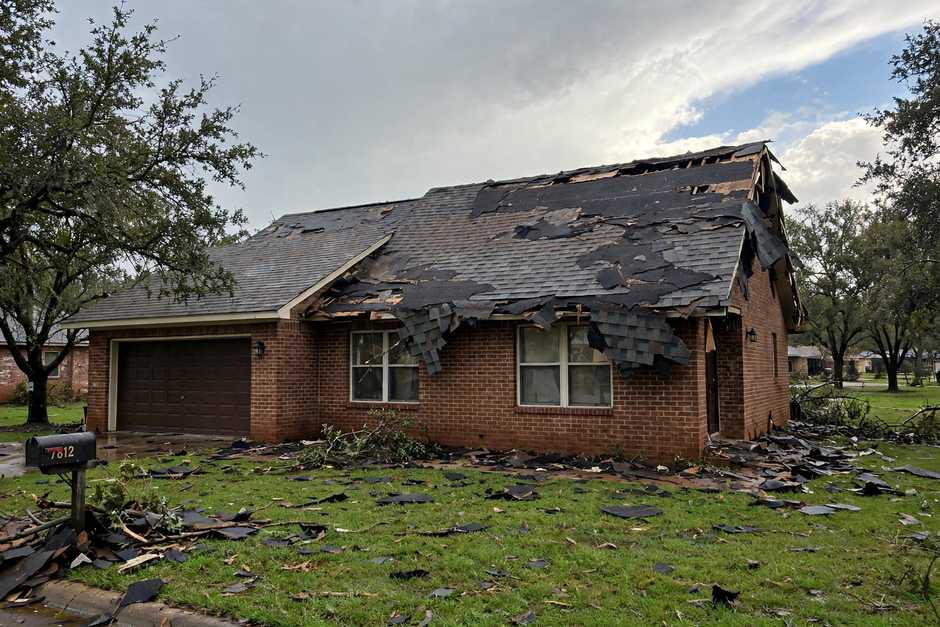
Storm Damage Roof Repair Duncanville TX Done Right
Storm damage is a documentation job as much as a repair job. The roof needs a dated record of what the storm did, slope by slope, vent by vent, so the repair quote and the insurance claim file are built on the same evidence. A roof that is repaired without that record is a roof whose claim was never properly filed.
Wind damage is the most common storm damage in Duncanville after hail. Wind lifts tabs, tears shingles off along ridges and edges, and drives rain under the field. The lifted tabs are easy to see; the water that got underneath them is found in the attic, and both are photographed before any repair is quoted.
Why Fix Storm Damage Early
A storm-damaged roof does not heal, and the next storm finds the same weak places. Fixing it early keeps the damage to one storm.
Stops One Storm Becoming Two
Lifted tabs and torn shingles leave the field open to the next rain. The water that gets in soaks decking and insulation.
Keeps Water Out of the Decking
Hail bruises are invisible from the ground, and they turn into leaks a season later. An inspection with photos finds them now.
Finds Hail Bruising Early
Dated photos taken soon after the storm are what a claim file needs. Waiting means the evidence washes away with the next rain.
Documents the Damage in Time
A roof that is repaired promptly, with the damage documented, is a roof whose next storm starts from a sound field.
How Our Storm Repair Process Works
A storm repair follows the same order every time, so the damage is documented before it is repaired.
Your Call
You tell us when the storm hit and what you are seeing: missing shingles, a stain, dented gutters. That tells us where to start.
Cover the Opening
We cover any opening first, so the next rain does not add to the damage.
Inspect and Photograph
We walk the roof and the attic, and photograph every damaged slope, vent, gutter and flashing with dates.
Written Quote
We quote the repair in writing, with the scope and the materials listed, before any of it starts.
The Repair
We do the repair, magnet-sweep the yard, clear the gutters, and show you photos of the finished work.
Local Storm Repair Expertise
Cabrera & Sons Roofing is based at 170 E Hwy 67 in Duncanville, and the storm work is Duncanville work: wind-torn shingles after straight-line wind, hail bruising in the spring storm season, and heavy-rain leaks that follow both. We document the damage with dated photos and quote the repair in writing.
- Rated 4.9 out of 5 from 51 Google reviews, with five reviews shown in full on our home page
- Dated photos of every damaged slope, vent, gutter and flashing
- Wind damage assessed as part of the storm inspection, not as a separate job
- Written estimates with the scope and materials listed before work starts
- Magnet sweep and gutter clearing at the end of every job
Why Duncanville Homeowners Call Us First
Homeowners call us after a storm when they want the damage documented and the repair done properly, and they judge us on whether the roof holds through the next storm.
Documentation Before Repair
We inspect the roof and the attic, and photograph what the storm did, so the repair quote and the claim file share one record.
Written Estimate With Photos
The estimate lists the repair and the materials, and if the roof needs more than a repair, we say so before work starts.
Honest About Repair vs Replace
We document storm damage with dated photos and a written scope. We do not negotiate claims and we do not waive deductibles, which is illegal in Texas.
Clean Jobsite, Every Day
Tarps, magnet sweeps and gutter clearing are part of the job, and the yard is left as we found it.
What Storm Damage Roof Repair Includes
A storm repair is a defined scope. These are the parts of it, and each one is in the written estimate before work starts.
What's Included
Covering the Opening
Any opening is covered first, so the next rain does not add to the damage.
Inspection With Dated Photos
We walk the roof and the attic, and photograph every damaged slope, vent, gutter and flashing with dates.
Wind Damage Repair
Wind-lifted and torn shingles are replaced, and the tabs around them are checked.
Hail Damage Assessment
Hail-bruised shingles are assessed slope by slope, and the damage is documented for your records.
Flashing Replacement
Failed flashing is replaced, not caulked over, at walls, valleys and chimneys.
Storm Problems We Fix in Duncanville
These are the storm problems we see most often on Duncanville roofs. Each one is documented with dated photos before it is repaired.
Wind-torn shingles along ridges and edges
Wind lifts tabs and tears shingles off along ridges and edges. We replace the missing shingles and check the tabs around them.
A torn slope is open to the next rain. Replacing the shingles promptly, and checking the tabs beside them, keeps the field sealed.
Hail bruising and granule loss
Hail bruises shingle mats and knocks granules loose, and the damage is often invisible from the ground. We photograph bruising and granule loss.
Granule loss in the gutters is the roof wearing out in plain sight after a storm. It is documented with photos, slope by slope.
Heavy-rain leaks after a storm
Heavy rain finds the lowest opening, and the stain on the ceiling can sit several feet from the failed flashing. We trace it in the attic.
A rain leak that follows a storm is traced to its source before it is repaired, so the same leak does not come back next storm.
Dented vents, gutters and flashing
Dented vents, gutters and flashing show where hail and wind hit hardest. We photograph them as part of the storm record.
Dented metal is evidence of the storm's path across the roof. It is documented alongside the shingle damage, not after it.
When to Call for Storm Roof Repair
Missing or lifted shingles after wind
Shingles are missing or lifted after wind, and the underlayment is showing.
Exposed underlayment will not hold through another storm. The slope needs covering and the shingles replacing.
Stain or drip after a storm
A stain appears on the ceiling after a storm, or a drip starts during heavy rain.
A stain means water has already crossed the decking. The sooner it is traced, the smaller the repair.
Hail fell in your area
Hail fell in your area, and you want the roof checked before the damage turns into a leak.
Hail damage is often invisible from the ground. An inspection with photos shows whether it is isolated or across the field.
Dented gutters or granules after a storm
Gutters and vents are dented, or granules are collecting in the gutters after a storm.
Dented metal and granule loss are the visible signs of a storm that hit the roof. Both are worth documenting promptly.
Tools and Methods We Use
Tools & Equipment
Tarps and fasteners
Tarps and fasteners, to cover an opening and secure it against the next rain.
Moisture meter
A moisture meter, to find wet decking and ceiling cavities before we close the roof up over them.
Roofing hammer and pry bar
A roofing hammer and pry bar, to lift shingles cleanly and reset them without damaging the field around them.
Camera for dated photos
A camera, to photograph every damaged slope, vent, gutter and flashing with dates.
Document before repairing
Document the damage before repairing it, so the claim file and the repair quote share one record.
Methods & Techniques
Wind assessed slope by slope
Wind damage is assessed slope by slope, with lifted tabs checked across the whole field.
Hail photographed with granule loss
Hail bruising is photographed with granule loss, so the record shows what the storm did.
Repair checked and photographed
The repair is checked against the roof and the attic before we leave, and photographed for your records.
How Storm Repair Runs in Duncanville
After a storm, the product is the documentation. A storm-damage inspection has to produce a file a claim can stand on: dated photos of bruising, granule loss and dented vents and gutters, a written scope, and the difference between hail bruising and ordinary wear stated plainly. The scope is written in the language the claim uses — line items, actual cash value moving to replacement cost value — and the boundary is kept: documentation and supplements, not negotiating the claim.
Service Areas
Fairmeadows: Mid-century ranches in north-central Duncanville, where the porch and garage roofs get their own photos after a storm, like the main field.
Forest Hills: East-central homes, built in 18 installments from 1966 to 1978, where the photos show the damage slope by slope, with dates.
Greenbriar Estates: Established lots in south Duncanville, built mostly in the early 1980s, where storm photos cover the field, the metal and the gutters, with dates.
US-67 corridor: Roofs along the US-67 corridor, where straight-line wind is documented alongside hail, with photos and dates.
Local Considerations
Dated photos are the record
Dated photos are the record: Every photo carries a date, because a claim file is built on when the damage was found, not just what it looks like.
Bruise vs wear
Bruise vs wear: Hail bruising crushes granules into the mat and leaves a soft spot; ordinary wear thins the surface evenly. The inspection has to say which it is seeing.
What the written scope must list
What the written scope must list: The scope lists what was found, slope by slope, with the collateral damage — vents, gutters and the air-conditioning condenser — alongside the roof.
How Storm-Battered Shingles Are Assessed
Storm-battered shingles show as lifted tabs, torn shingles along ridges and edges, and bruising where hail hit the mat. The damage is usually worst on the slopes that faced the storm.
The work starts with covering any opening, then a full inspection with dated photos of every damaged slope, vent and gutter. The repair is quoted in writing on what the inspection actually found.
Maintenance & Follow-up
Have the roof inspected after any storm with wind or hail, and keep the dated photos with your insurance paperwork.
Wind-lifted tabs show as shingles that have curled up at the edge and no longer seal to the course below. The field around them is often lifted too.
The work is replacing the lifted and torn shingles and checking the tabs around them, so the repair does not leave the next leak in place.
Maintenance & Follow-up
Check the ridges and edges after any wind event. A lifted tab is the next leak, and fixing it early keeps the damage to one place.
Heavy-rain leaks show as stains that appear after a storm and grow with each one. The source is usually a flashing or a valley, not the stain itself.
The work is tracing the leak in the attic, then replacing the failed flashing or clearing the valley. The rest of the roof is checked at the same time.
Maintenance & Follow-up
Watch the ceilings after heavy rain, and call when a stain appears rather than after it has grown. A small leak is a small repair.
Frequently Asked Questions
Have questions? We have answers. If you do not see your question here, call us at (469) 898-7253.
Call UsWhat counts as storm damage on a roof?
Storm damage is sudden damage from hail, wind or heavy rain: lifted or torn shingles, hail bruising and granule loss, dented vents and gutters, and leaks that start after a storm. Wear and tear from age is not storm damage, and insurance generally covers sudden storm damage, not wear.
How do I file a storm damage roof claim in Texas?
Photograph the damage, do what you can to stop more water getting in, and file with your insurer as soon as you can. Get an inspection and a written estimate, and be there when the adjuster inspects the roof. We provide the inspection, the dated photos and the written estimate. We do not negotiate claims, and we do not waive deductibles, which is illegal in Texas. How to prepare for storm season
Do I need a permit for storm damage roof repair in Duncanville?
Permit requirements vary by job, so ask the City of Duncanville what your repair needs. A full replacement and re-decking require a permit. We do not publish a permit fee figure because the published figures conflict.
How long do I have to file a storm damage claim?
Your policy sets the deadline, and policies differ, so do not rely on a single number from a website. File as soon as you can after the storm, and keep the dated photos and the written estimate with your claim file.
What to Check Before You Hire Us
After a storm, the check that matters is the documentation.
What you can check
Ask for dated photos of the damage — bruising, granule loss, dented vents and gutters — and a written scope before any claim paperwork. Photos taken the day of the inspection are the record your claim file needs.
What customers say
Ask what the written scope covers and what it leaves for a supplement, and keep the photos with your paperwork. Call (469) 898-7253 after a storm and describe what you are seeing.
Related Services
Hail Damage Roof Repair · Emergency Roof Repair · Roof Repair
What Customers Say
One of the five reviews on our Google profile, exactly as the customer wrote it. The other reviews are counted in the 4.9 out of 5 aggregate from 51 reviews.
“Jared, his team did a great job with our roof replacement. He also had a crew working on gutters and skylights too. He kept us informed every step of the way, cleaned up all the debris, and completed the job on time. The new roof looks great. We would highly recommend Cabrera and Sons Roofing to anyone needing a new roof or any roofing repairs.”
Earl Gaines
Google review
Get Storm Damage Roof Repair Duncanville TX
Call Cabrera & Sons Roofing at (469) 898-7253. Tell us when the storm hit and what you are seeing, and we will inspect the roof, document the damage with dated photos, and quote the repair in writing.